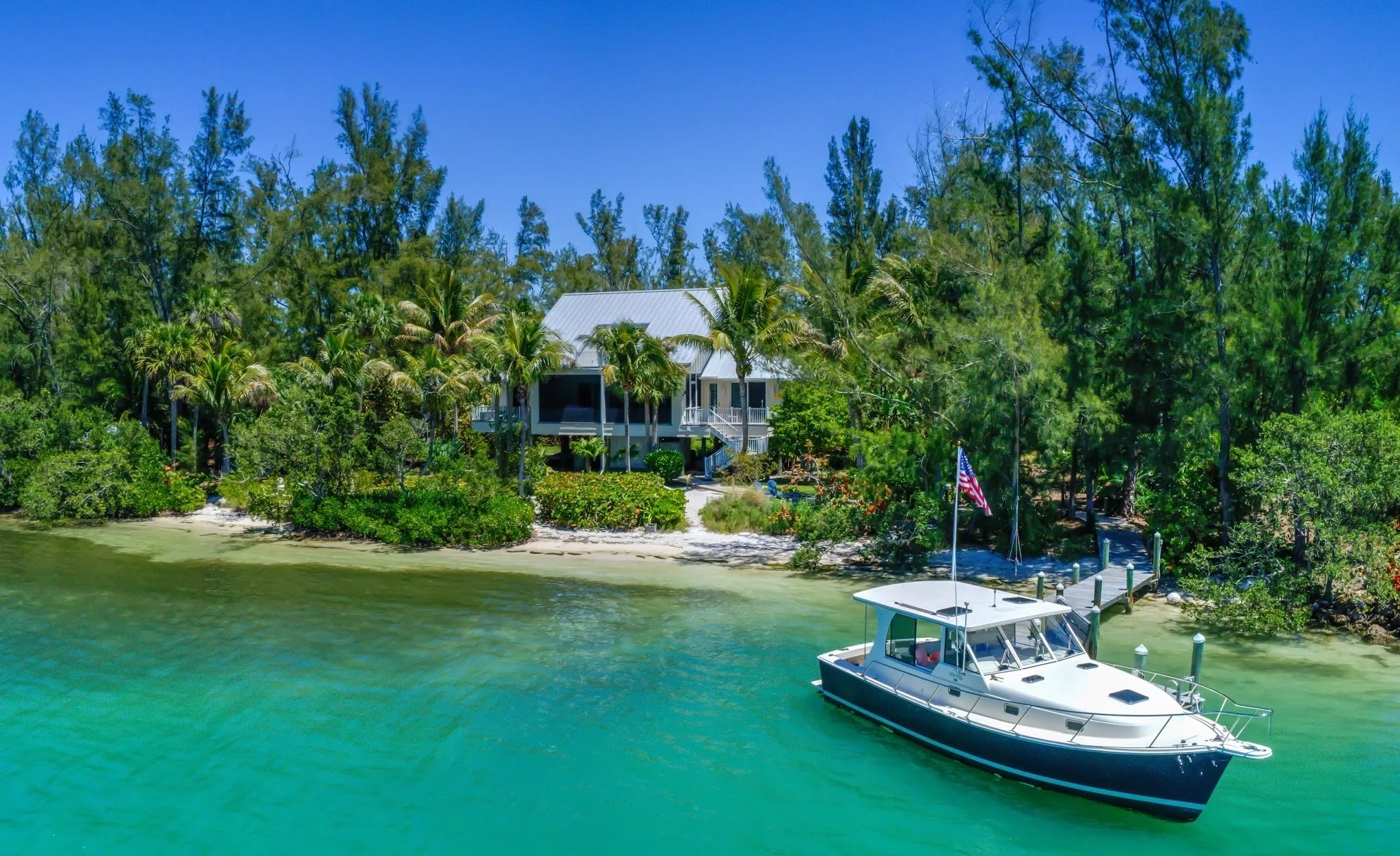
Best Island Rentals USA: A Definitive Guide to Strategic Planning
The allure of the island rental in the United States represents a distinct convergence of geography, status, and the human impulse for environmental detachment. Unlike a standard vacation property, an island rental is not merely a residence; it is a controlled ecosystem. Whether located in the temperate, forested clusters of the Pacific Northwest, the marshy, barrier-driven coasts of the Atlantic, or the tropical outposts of the Caribbean territories, an island rental fundamentally alters the occupant’s relationship with time, accessibility, and resource consumption. Requiring an operational rigor more akin to expedition management than typical holiday booking.
The modern market for these properties is characterized by a significant asymmetry. On one side, providers—ranging from private owners managing legacy estates to corporate entities optimizing high-net-worth portfolios—market these spaces through images of undisturbed serenity. On the other side, the occupant often underestimates the logistical friction inherent in such isolation. True topical mastery in this field requires recognizing that the physical distance from the mainland is not just a spatial metric; it is an economic and operational multiplier that governs everything from medical emergency response to the replenishment of basic provisions.
This analysis is designed as a definitive framework for those seeking to engage with island rental markets within the United States and its territories. It moves beyond the superficial rankings that populate standard travel media to examine the structural, economic, and systemic realities of these properties. Analytical reference that resists the hype of the travel industry, focusing instead on the practical logistics of high-value, high-isolation occupancy.
Understanding “best island rentals usa”
A rigorous investigation into the best island rentals usa reveals that the superlative “best” is entirely context-dependent. The industry is rife with oversimplification, where rankings are often driven by marketing partnerships rather than the objective, quantifiable metrics of operational reliability, environmental sustainability, and logistical accessibility. The most common misunderstanding among potential renters is the conflation of “exclusivity” with “quality.” A highly exclusive, private island may lack basic infrastructural redundancy—such as backup power, clean water, or reliable telecommunications—rendering it functionally inferior for any stay exceeding a few days.
Oversimplification in this domain poses genuine risk. To identify the best island rentals usa, one must look past the aesthetic, curated portrayals of “barefoot luxury” and analyze the asset’s underlying systems. Does the property have a dedicated, off-grid water treatment system? Is there a clearly defined emergency evacuation protocol approved by local authorities? How is waste managed on the island? These are not mere logistical trifles; they are the operational bedrock of a functional island rental. Without these systems in place, the occupant is effectively an involuntary guest in an unstable environment, exposed to risks that the booking platform’s marketing literature rarely admits.
Furthermore, the search for the best island rentals usa must account for the legal and regulatory framework of the location. Renting an island in a U.S. territory, such as Puerto Rico or the U.S. Virgin Islands, carries a different set of logistical and legal responsibilities than renting a private island within the coastal waters of Maine or Florida. Each jurisdiction has its own laws governing property rights, environmental protection, and public access to shorelines. To manage these rentals effectively, the occupant must understand the intersection of federal maritime law, local zoning ordinances, and the specific contractual obligations of the rental agreement.
Contextual Evolution: From Exclusive Enclave to Rental Asset
Historically, the ownership of private islands was limited to a narrow, high-net-worth demographic, functioning as dynastic retreats or secretive corporate enclaves. These spaces were managed with internal, dedicated staff and existed largely outside the public eye. The late 20th and early 21st centuries saw a fundamental shift. As the costs of maintaining such assets rose—driven by stricter environmental regulations, rising insurance premiums, and the necessity of advanced technology for off-grid operations—owners sought alternative income streams.

This led to the “platformization” of private islands. Today, these assets are integrated into global rental platforms, commodifying what was once an exclusive experience. This evolution has introduced a new tension: the challenge of maintaining the island’s fragile ecosystem while simultaneously satisfying the demands of transient renters who expect the amenities of a mainland luxury resort.</span> Where the owner is essentially the operator of a remote, small-scale utility company, managing power, water, waste, and logistics under a constant, demandi</span>ng operational load.
Conceptual Frameworks for Island Appraisal
To assess the viability and quality of an island rental, one should apply the following mental models:
-
The “Utility Redundancy” Framework: An island is a microcosm of a city. If the power, water, and connectivity systems are not redundant, the property is inherently high-risk. A “best” rental is one where these systems have clear, tested backups.
-
The “Operational Load” Assessment: Calculate the “burden of occupancy.” Does the property require the occupant to actively manage supplies, fuel, or waste? The degree to which these responsibilities are managed by professional on-site staff vs. the occupant determines the nature of the rental—whether it is a “managed luxury” or an “expeditionary stay.
-
The “Accessibility-Exclusivity” Paradox: High accessibility often compromises exclusivity, while high exclusivity often compromises accessibility. A “best” island rental finds the equilibrium that fits the traveler’s tolerance for logistical effort.
-
The “Environmental Carrying Capacity” Model: An island can only sustain a certain level of human activity before its natural ecosystem degrades. A responsible rental property is one that clearly defines its limits and operates within them, rather than maximizing throughput at the cost of the environment.
Categorical Variations and Operational Trade-offs
The American island rental market is not monolithic; it encompasses a wide range of operational models.
| Category | Typical Location | Infrastructure Level | Operational Burden |
| Full-Service Private | Caribbean/Florida Keys | Resort-grade | Low (Staffed) |
| Semi-Managed Estate | Maine/Great Lakes | Estate-grade | Moderate |
| Off-Grid/Expedition | Pacific Northwest | Minimal/Manual | High |
| Managed Community | Outer Banks/Islands | Hotel-grade | Negligible |
Realistic Decision Logic
The decision to pursue a specific island rental should be driven by the occupant’s tolerance for logistical complexity. If the goal is “effortless leisure,” a full-service managed island is the only viable path. If the goal is “meaningful detachment and self-sufficiency,” the expeditionary or semi-managed models are more appropriate. The mistake of matching an “effortless leisure” seeker with a self-sufficient expedition rental is the primary source of failure in this market.
Operational Scenarios: Friction, Failure, and Recovery
Scenario 1: The Logistics Breakdown
A group rents a self-managed island off the coast of Maine.</span> The scheduled boat service fails to arrive due to inclement weather, and the group has insufficient fuel for the backup generator.
-
The Conflict: The island loses power and water pressure. The group is stranded without a means of communication or replenishment.
-
The Failure Mode: The emergency response protocol is poorly documented or the communications system is reliant on weak cellular signals.
-
Second-Order Effect: The rental becomes a source of extreme, prolonged stress, necessitating an expensive, uncoordinated rescue.
Scenario 2: The Regulatory Friction
A renter unknowingly plans a large, celebratory gathering on an island that is subject to strict environmental zoning laws regarding noise and waste.
-
The Conflict: Local authorities intervene, imposing massive fines and potentially terminating the rental agreement on the spot.
-
The Failure Mode: Misunderstanding of the difference between “private property” and “public environmental oversight.”
-
Second-Order Effect: Irreparable reputational damage for the renter and the potential for legal sanctions that extend far beyond the rental period.
Dynamics of Cost, Logistical Load, and Opportunity
The financial cost of an island rental is often the smallest part of the total investment.
| Cost Component | Impact | Variability |
| Base Rental Fee | High | Seasonality; length of stay |
| Logistics/Transport | Moderate | High (Distance, weather, specialized craft) |
| Provisions/Consumables | Low | High (Reliance on imports) |
| Professional Staffing | Very High | Mandatory for high-end properties |
The opportunity cost here is “Time-Poverty.” In a mainland hotel, a failure can be resolved in minutes by calling the front desk. In an island rental, a failure may consume days of the occupancy period in resolution efforts.
Tools, Strategies, and Support Systems
-
Professional Mediation: Use agencies that specialize in high-end island rentals; they act as a buffer between the owner’s marketing and the operational reality, and they provide necessary logistical support.
-
The “Pre-Arrival Forensic Audit”: Before the booking is finalized, demand an “Operational Fact Sheet” that details the specific systems for power, water, communications, and emergency protocols.
-
Specialized Legal Counsel: For long-term or high-value rentals, have the rental agreement reviewed to ensure the liability for operational failure is clearly allocated.
-
Redundant Connectivity: Bring a satellite-based communication device (e.g., Starlink or handheld satellite messenger) if the island’s primary communications are not explicitly tested and guaranteed.
- Provisioning Logistics: Plan for a 20% over-provisioning of all basic necessities, factoring in the risk of supply-chain delays due to weather.
The Risk Landscape: Compounding Liabilities
The risks of island rentals are inherently compounding.
-
Environmental Liability: In many U.S. coastal regions, the renter can be held personally liable for environmental damage caused by misuse of the property, such as improper waste disposal or disruption of protected shoreline habitats.
-
Insurance Gaps: Standard travel insurance often excludes “island-specific” logistical failures. Specialized coverage is required.
-
Emergency Response Lag: In a medical emergency, the time between initial alert and evacuation can be hours or even days, depending on weather and available assets.
Governance, Maintenance, and Long-Term Adaptation
To effectively rent an island, one must approach the stay as a temporary steward of the property.
-
Review Cycles: Treat each rental as a feedback loop. Document the systems that failed, the protocols that worked, and the expectations that were not met.
-
Adjustment Triggers: If a rental experiences a systemic failure (e.g., three days without power), ensure this is documented and reported to the rental agency/owner to hold the provider accountable for necessary upgrades.
-
Layered Checklist: Maintain a personalized “Island Occupancy Protocol” that includes specific procedures for emergency exit, supply management, and daily system checks.
Metrics, Documentation, and Evaluation
-
Leading Indicator: “Pre-Arrival Logistical Readiness Score.” (A assessment of how well the logistics—transport, provisions, communication—were planned before departure).
-
Lagging Indicator: “Operational Friction Events.” (The number of times the occupant had to intervene in a system failure).
-
Documentation Example 1: The Asset Passport – A detailed folder containing all operational manuals, emergency contacts, and the signed rental agreement.
-
Documentation Example 2: The Condition Audit – High-resolution documentation of the island’s physical state upon arrival to prevent post-trip damage claims.
Deconstructing Industrial Misconceptions
-
Myth: “The price includes everything.” Correction: Most island rentals unbundle logistics, staffing, and provisioning. These are often separate, substantial costs.
-
Myth: “Privacy means being off the grid.” Correction: True privacy requires connectivity redundancy. Being truly off-grid is a significant risk unless you have professional-grade backups.
-
Myth: “The location makes the experience.” Correction: The systems (power, water, logistics) make the experience. A beautiful island with broken systems is a failed rental.
-
Myth: “You can always leave if it’s not working out.” Correction: Leaving a remote island rental is a complex logistical operation that can take hours or days to organize, particularly if weather is a factor.
-
Myth: “The pictures accurately reflect the experience.” Correction: Real estate and travel photography are designed to maximize appeal, often by omitting the necessary, less-than-glamorous logistical infrastructure.
Conclusion: The Synthesis of Strategic Judgments
Engaging with the market for island rentals in the United States requires moving beyond the consumerist mindset of “booking a room” and into the operational mindset of “stewarding an asset.” The best island rentals usa are not defined by the height of their luxury, but by the robustness of their underlying logistics and the clarity of the agreement between owner and occupant. By adopting a structured, forensic approach to planning—one that accounts for the inherent vulnerabilities of isolation and prioritizes operational redundancy over superficial aesthetics—the renter can reclaim the island experience from the volatility of travel industry marketing.