Top Scenic Drives in America: The Ultimate Editorial Reference Guide
The American landscape is a vast, multi-layered tapestry that reveals its most profound complexities to those who engage with it from the vantage point of the open road. To categorize a route as “scenic” is to acknowledge more than mere aesthetic pleasure; it is to recognize a unique intersection of geological history, civil engineering, and cultural narrative. These corridors serve as the connective tissue of the continent, threading through disparate ecosystems—from the salt-sprayed crags of the Pacific Coast to the high-alpine tundra of the Rockies—offering a tactile experience of geography that digital representations cannot simulate.
The allure of the scenic drive persists in a hyper-digitized society precisely because it restores the dimension of time to travel. In an era of commercial aviation and high-speed rail, where the objective is to collapse the distance between points A and B, the scenic route intentionally expands that distance. It prioritizes the “interstitial space,” forcing a confrontation with the subtle transitions in light, elevation, and vegetation that define the American wilderness. This intentional slowing of pace allows for a forensic examination of the landscape, revealing the scars of glaciation, the patterns of westward expansion, and the enduring resilience of regional flora.
However, the modern experience of these routes is increasingly subject to systemic pressures. Climate volatility, shifting tourism demographics, and the physical degradation of infrastructure have transformed once-simple road trips into complex logistical undertakings. Navigating the top scenic drives in America in 2026 requires more than a vehicle and a map; it demands an analytical understanding of seasonal windows, regulatory shifts, and the nuanced trade-offs between “bucket-list” notoriety and the quietude of less-traveled bypasses.
Understanding “top scenic drives in America.”
To define the top scenic drives in America is to engage in a multi-perspective assessment that balances visual grandeur with historical depth and operational feasibility. A common misunderstanding among casual travelers is that “scenic” is synonymous with “pretty.” In reality, the most significant routes are those that offer a narrative arc. A drive through the Badlands is not beautiful in the traditional sense; it is a stark, haunting lesson in erosion and deep time. To overlook this distinction is to risk a superficial engagement with the landscape.
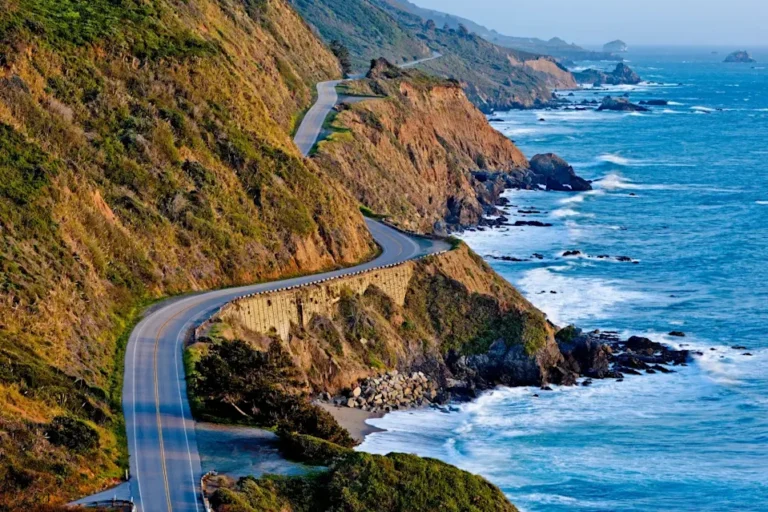
Another risk is the oversimplification of the “Best” designation. Algorithmic ranking systems often prioritize accessibility and social media popularity, which leads to the “over-saturation” of certain corridors like the Blue Ridge Parkway or the Pacific Coast Highway. While these remain essential routes, a sophisticated editorial analysis recognizes that a “top” drive is also defined by its integrity—its ability to provide a sense of discovery without the intrusion of excessive commercialization or traffic congestion. The true value of these drives lies in their capacity to act as mirrors, reflecting the geological and social history of the region they traverse.
From a technical standpoint, managing expectations on these routes involves acknowledging the “friction” of the journey. High-elevation passes are subject to rapid weather shifts; coastal roads are vulnerable to erosion; desert stretches demand rigorous vehicle preparation. Understanding these drives requires a mental shift from passive viewing to active participation in the environment. One must be prepared to negotiate with the landscape, adjusting schedules based on light quality, peak-leaf metrics, or localized closures that represent the reality of a living, changing continent.
Historical and Systemic Evolution of Scenic Byways
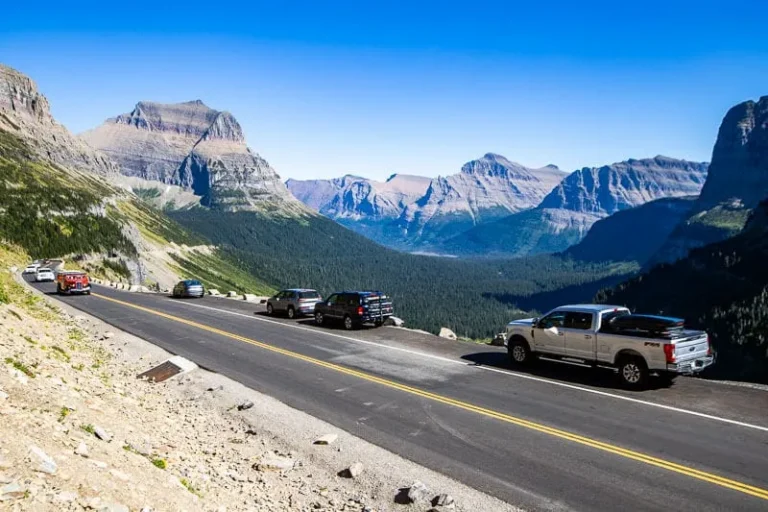
The American scenic drive is a relatively modern construct, born from the intersection of early 20th-century conservation movements and the rise of the automobile. Before the 1920s, the “open road” was a series of disconnected, often treacherous trails. The development of the National Park Service and the Bureau of Public Roads transformed the landscape, intentionally designing roads like the Going-to-the-Sun Road in Glacier National Park to be “harmonious with the surroundings.” This “Parkway Architecture” was intended to curate the American wilderness for the burgeoning middle class.
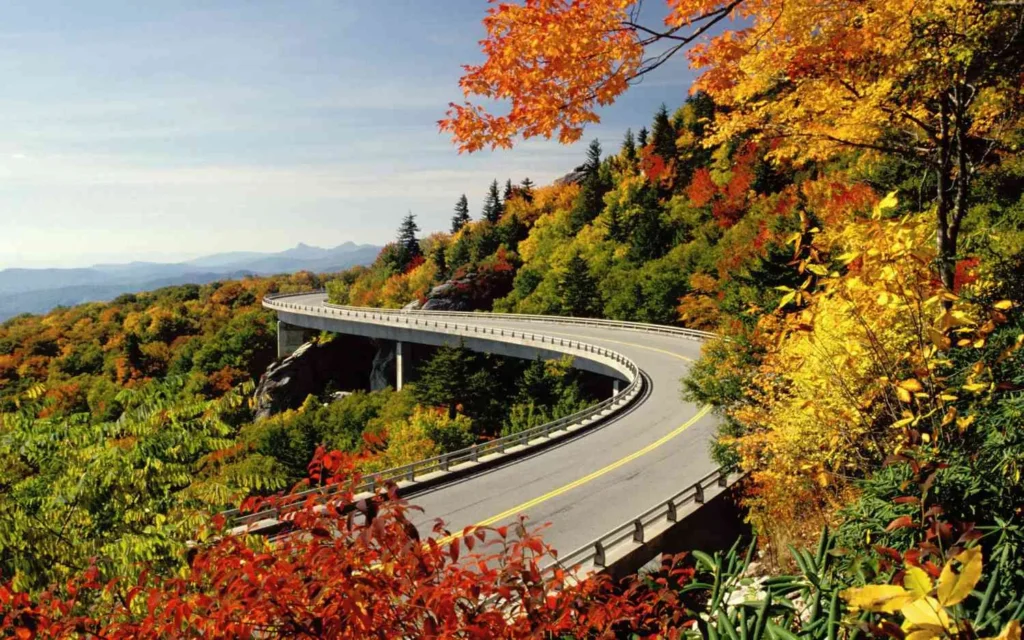
The mid-century era saw the codification of this concept with the creation of the National Scenic Byways Program in 1991. This federal designation recognized roads based on their archeological, cultural, historic, natural, recreational, and scenic qualities. However, the 21st century has introduced new variables. The digital economy and “influencer” culture have compressed the discovery cycle, turning secluded routes into viral destinations overnight. This has led to a shift toward “managed access,” where permits and timed entries are becoming the norm for preserving the very integrity that makes these drives famous.
Conceptual Frameworks and Mental Models
To evaluate a scenic route beyond its visual appeal, we employ several cognitive frameworks:
-
The Geological Narrative Model: This framework views the road as a timeline. For example, driving the Million Dollar Highway in Colorado is an exercise in reading the Precambrian and Paleozoic layers of the San Juan Mountains. The value of the drive is proportional to the renter’s ability to “read” the rock.
-
The Infrastructure-Integrity Balance: This model assesses the tension between human engineering and natural forces. A “top” drive is often one where the road itself is a feat of engineering (like the Seven Mile Bridge in the Florida Keys) that provides a unique vantage point otherwise inaccessible to the human eye.
-
The Seasonal Window Probability: This assesses the risk-to-reward ratio of timing. For example, the Kancamagus Highway in New Hampshire has a very high “scenic” value during a three-week window in October, but a low “operational” value due to extreme congestion and weather unpredictability.
Categories of Scenic Corridors and Comparative Dynamics
America’s top drives can be categorized by their dominant ecosystem and the specific logistical demands they place on the traveler.
| Category | Typical Example | Defining Feature | Primary Trade-off |
| High Alpine | Beartooth Highway, WY | Tundra landscapes; extreme elevation | Narrow season; vehicle strain |
| Coastal Edge | Hana Highway, HI | Tropical flora; ocean-cliff interface | High humidity; high traffic density |
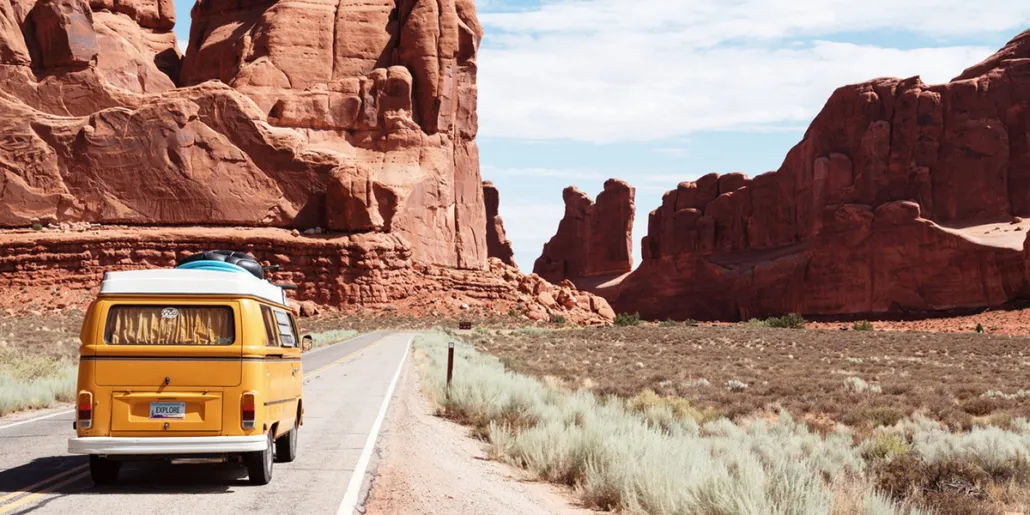
| Desert Sublime | Route 163, Monument Valley | Stark geometry; red-rock monoliths | Heat management; remote logistics |
| Forest/Appalachian | Skyline Drive, VA | Canopy immersion; mist/ridgelines | Visibility issues; wildlife risks |
| Island/Aquatic | Overseas Highway, FL | Azure horizons: bridge engineering | Limited detours; hurricane risk |
Decision Logic: The “Primary Value” Factor
When choosing a route, the traveler must decide if they value “Cultural Depth” (the historic towns of Route 66) or “Ecological Purity” (the remote stretches of the Dalton Highway in Alaska). These goals are often mutually exclusive, and the “top” drive for one traveler may be a failure for another.
Operational Scenarios: Navigating Variable Environments
Scenario 1: The High-Altitude Pass (Beartooth Highway)
A traveler attempts the Beartooth Highway in late June.
-
The Context: Even in summer, snowpack can remain. The road reaches nearly 11,000 feet.
-
Decision Point: If a sudden thunderstorm occurs at the summit, the temperature can drop 30 degrees in minutes.
-
Second-Order Effect: The rapid descent causes brake fade in poorly maintained vehicles. Success here requires engine braking and an understanding of thin-air combustion.
Scenario 2: The Coastal Congestion (Hana Highway)
A traveler departs at 9:00 AM for the 62-mile drive to Hana.
-
The Context: The road features 620 curves and 59 bridges, many of them one-lane.
-
Failure Mode: Leaving late puts the driver in a “caravan” of rental SUVs, destroying the sense of seclusion and causing tension with residents.
-
The Solution: A 5:00 AM departure ensures the “scenic” value is captured in soft morning light with zero congestion.
Planning, Cost, and Resource Allocation
Scenic driving is an exercise in resource management. Fuel, time, and vehicle depreciation are the primary currencies.
| Resource | Low-Intensity Route (e.g., Natchez Trace) | High-Intensity Route (e.g., Dalton Highway) |
| Fuel Strategy | Every 100 miles | Carry extra fuel; $7/gal remote pricing |
| Vehicle Type | Standard Sedan | High-clearance 4WD; two full-sized spares |
| Permit Costs | $0 – $25 (Park entry) | $50 – $100 (Commercial/Remote permits) |
| Time Buffer | 10% extra for photography | 50% extra for mechanical/weather delays |
Strategies and Defensive Support Systems
To preserve the integrity of the drive, the traveler should utilize specific support systems:
-
Topographic Mapping: Relying on GPS is a “failure mode” in remote canyons. Physical topographic maps allow for an understanding of the grade and upcoming switchbacks.
-
Citizen-Science Portals: Using apps like iNaturalist or eBird to identify the flora and fauna unique to the corridor increases the “intellectual ROI” of the trip.
-
Localized Weather Telemetry: NOAA radio and specialized mountain weather forecasts are essential for high-elevation routes.
-
Analog Communication: In the vast “dead zones” of the American West, a satellite communicator (like a Garmin InReach) is the only reliable safety net.
Risk Landscape and Failure Modes
The “Compounding Risk” in scenic driving is often overlooked. A minor error—like failing to check tire pressure—compounds when combined with high heat and remote geography.
Taxonomy of Failure:
-
The “Picture-Perfect” Trap: Stopping on narrow shoulders for a photograph, leading to rear-end collisions or soil erosion.
-
The Wildlife Variable: Dawn and dusk driving on the Blue Ridge Parkway leads to high-speed encounters with deer and bears.
-
The Navigation Hubris: Attempting “shortcuts” found on digital maps that turn out to be unmaintained logging roads.
Long-Term Adaptation and Maintenance of Travel Integrity
As we move toward the late 2020s, “scenic driving” is evolving into a “stewardship model.” The maintenance of these routes is no longer just a government responsibility; it is a traveler’s responsibility. This involves:
-
Review Cycles: Checking the “Status of the Route” via state DOT portals 24 hours before departure.
-
Adjustment Triggers: If a National Park reaches “Capacity Status,” the adaptive traveler shifts to a secondary “Scenic Byway” to reduce environmental impact.
-
Layered Checklists: A three-stage pre-drive audit (Mechanical, Navigational, Logistical) to ensure the vehicle is a tool for exploration, not a liability.
Measurement and Evaluation of the Travel Experience
How does one quantify a “successful” scenic drive? We look at qualitative signals:
-
The “Density of Observation”: How many geological or botanical features did the traveler identify? High density indicates a deep engagement with the landscape.
-
The “Friction Metric”: Was the trip defined by “surprises” (bad) or “serendipity” (good)?
-
Documentation Examples: A “Route Journal” that records not just photos, but the specific changes in elevation, temperature, and regional culture encountered at specific mile markers.
Common Misconceptions and Oversimplifications
-
“The PCH is the only way to see the California Coast.” Correction: Highway 1 is iconic, but the “Lost Coast” further north offers a more raw, un-commercialized experience.
-
“Scenic drives are for summer.” Correction: Winter drives in the Southwest (like the High Road to Taos) offer clarity of light and “snow-on-red-rock” contrast that summer heat-haze obscures.
-
“I don’t need a map; I have Google.” Correction: Signal loss is guaranteed on 40% of the top scenic drives. A paper map is a non-negotiable safety tool.
-
“The fastest route is the best route.” Correction: On a scenic drive, the most inefficient route is often the most rewarding.
Conclusion
The top scenic drives in America are not static assets; they are dynamic, evolving corridors that require a sophisticated level of engagement. To drive them successfully is to balance the awe of the landscape with the rigor of the logistics. Whether one is navigating the hairpins of the Iron Mountain Road or the vast horizons of the Loneliest Road in America, the goal is a synthesis of man, machine, and nature. By moving past the “checklist” mentality of travel and embracing the complexities of geological time and regional history, the traveler can turn a simple drive into a profound act of discovery.